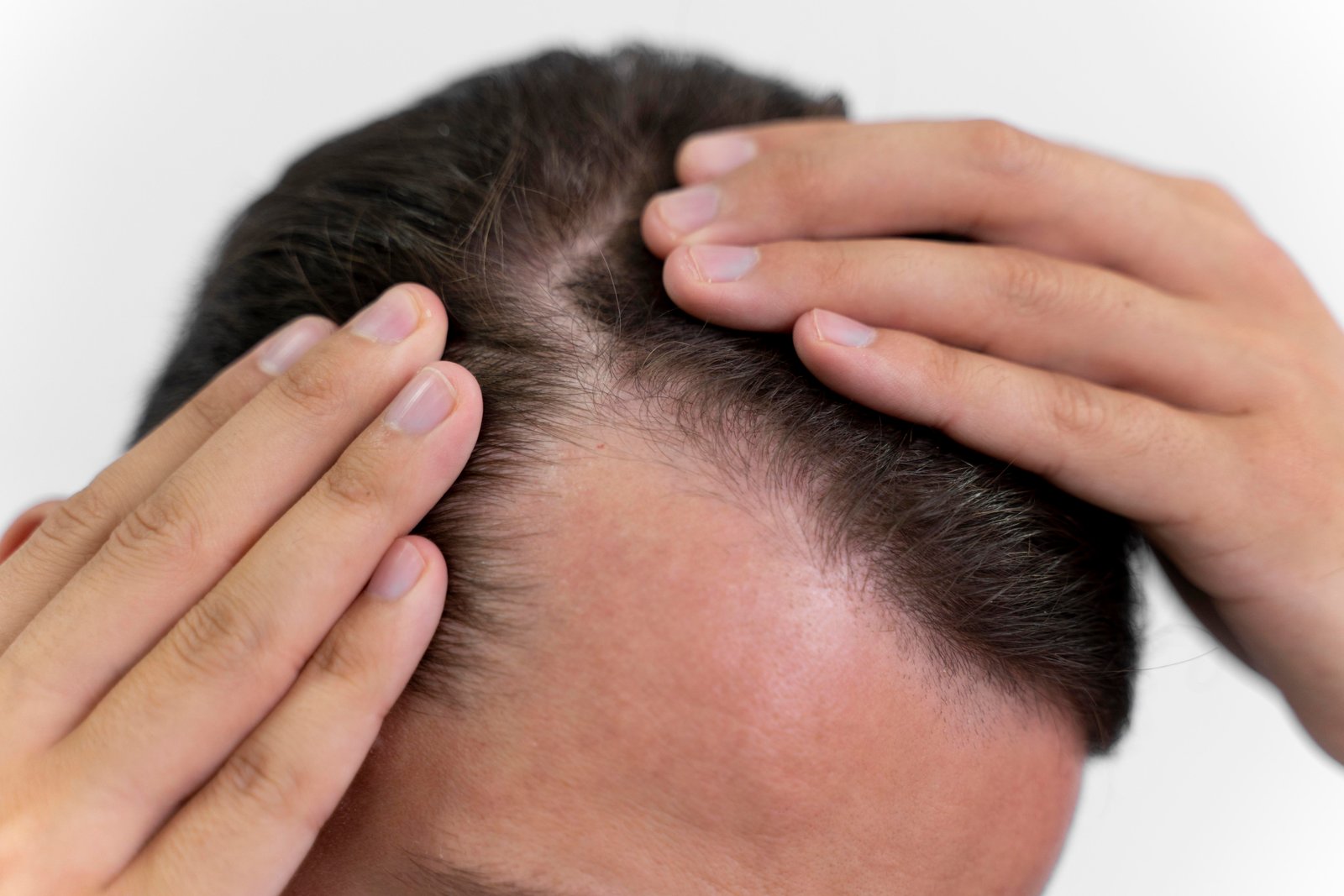
Hair thinning is a common concern that can affect both men and women. Unlike sudden hair loss, hair thinning often develops gradually, making it easy to overlook in the early stages. You may notice that your ponytail feels thinner, your scalp is becoming more visible, or your hair lacks its previous volume and density.
While occasional hair shedding is normal, persistent thinning can sometimes indicate an underlying issue that requires attention. Identifying the cause early and choosing the right treatment can help support healthier-looking, stronger, and denser hair.
Common Causes of Hair Thinning
Hair thinning can have several causes, and identifying the underlying reason is an important part of treatment.
Genetic Hair Thinning
Genetics is one of the most common causes of progressive hair thinning. Androgenetic alopecia, commonly known as pattern hair loss, can affect both men and women.
In men, thinning often begins around the hairline or crown, while women may experience gradual thinning across the top of the scalp or widening of the central parting.
Stress
Physical or emotional stress can affect the normal hair-growth cycle. Significant stress may cause increased shedding several weeks or months after the triggering event.
Managing stress, maintaining adequate sleep, and following a balanced lifestyle can support overall hair health.
Nutritional Deficiencies
The body requires adequate nutrients for normal hair growth. Low levels of certain nutrients, including iron, vitamin D, vitamin B12, zinc, and adequate protein intake, may contribute to hair problems in some individuals.
If a nutritional deficiency is suspected, a dermatologist may recommend appropriate blood tests before starting supplementation.
Hormonal Changes
Hormonal fluctuations can influence hair growth. Changes associated with conditions such as thyroid disorders, polycystic ovary syndrome, pregnancy, or menopause may contribute to increased hair shedding or thinning.
Treating an underlying hormonal condition may be an important part of managing hair loss.
Hairstyles and Hair Treatments
Frequent use of tight hairstyles, excessive heat, chemical treatments, or aggressive styling can contribute to hair breakage and traction-related hair loss.
Reducing mechanical stress and using gentler hair-care practices can help minimize additional damage.
Scalp Conditions
Certain scalp conditions can interfere with healthy hair growth. Persistent dandruff, inflammation, itching, or other scalp problems should not be ignored and may require evaluation by a dermatologist.
Early Signs of Hair Thinning You Should Watch For
Hair thinning can be subtle in the beginning. Some common signs include:
- Increased visibility of the scalp
- A widening hair part
- Reduced hair volume
- A thinner-looking ponytail
- Hairline recession
- Increased hair shedding while washing or brushing
- Thinner strands compared with previous years
- Gradual thinning around the crown
Recognizing these changes early can help you seek professional advice before the problem progresses.
How Is Hair Thinning Diagnosed?
There is no single treatment that works for every type of hair thinning. A dermatologist may evaluate your scalp, hair density, pattern of hair loss, medical history, lifestyle, and family history.
Depending on your symptoms, your doctor may also recommend blood tests to identify nutritional deficiencies, hormonal imbalances, thyroid problems, or other contributing factors.
A proper diagnosis helps determine whether the goal should be reducing hair fall, improving hair density, treating an underlying condition, or supporting regrowth.
Effective Treatment Options for Hair Thinning
Treatment depends on the underlying cause, severity, and individual hair-growth pattern. Some commonly used approaches include:
Topical and Oral Medications
Depending on the diagnosis, dermatologists may recommend medications that help reduce hair loss or support hair growth. These should be used under professional guidance because the appropriate medication and dosage vary between individuals.
PRP Hair Treatment
Platelet-Rich Plasma (PRP) therapy uses a concentrated portion of the patient's own blood containing platelets and growth factors. It is injected into selected areas of the scalp to support the hair-growth environment.
PRP may be considered for certain types of hair thinning, particularly when treatment is started during the earlier stages.
GFC Hair Therapy
Growth Factor Concentrate (GFC) therapy is another regenerative approach used for hair concerns. It involves preparing a concentrated solution containing growth factors from the patient's blood and delivering it into the scalp.
GFC may be recommended for individuals experiencing hair thinning or reduced hair density following a professional assessment.
Hair Transplantation
For individuals with significant or advanced hair loss and suitable donor hair, hair transplantation may be an option. It involves moving hair follicles from a donor area to areas affected by hair loss.
A hair transplant is generally considered when there is sufficient donor hair and the individual is an appropriate candidate.
Lifestyle and Hair-Care Changes
Treatment works best when combined with healthy habits. Eating a balanced diet with sufficient protein, managing stress, avoiding excessively tight hairstyles, limiting unnecessary heat and chemical treatments, and maintaining good scalp hygiene can help support overall hair health.
Can Hair Thinning Be Reversed?
In some cases, hair thinning can improve significantly when the underlying cause is identified and treated early. However, the outcome depends on the type and duration of hair loss.
Genetic hair thinning, for example, may require long-term management to maintain results, while hair shedding caused by a temporary trigger may improve once the underlying cause is addressed.
This is why early evaluation is important.
When Should You See a Dermatologist?
Consider consulting a dermatologist if you notice:
- Persistent or worsening hair thinning
- Sudden or excessive hair shedding
- Noticeable scalp visibility
- Receding hairline or widening parting
- Bald patches
- Scalp itching, redness, or inflammation
- Hair thinning accompanied by other unexplained changes
Early diagnosis can make it easier to identify the cause and develop an appropriate treatment plan.
Hair Thinning Treatment at Fab Aesthetic Clinic
At Fab Aesthetic Clinic, Andheri West, Mumbai, hair concerns are evaluated based on the individual's pattern of hair loss, scalp condition, medical history, and hair-growth goals.
Depending on the diagnosis, treatment options may include PRP hair treatment, GFC hair therapy, medications, hair-restoration procedures, and personalized hair-care recommendations.
The right treatment is not necessarily the most aggressive treatment. A professional assessment helps determine which approach is appropriate for your specific type of hair thinning.
Conclusion
Hair thinning can develop gradually, but early signs should not be ignored. Genetics, stress, nutritional deficiencies, hormonal changes, scalp conditions, and hair-care practices can all contribute to reduced hair density.
The good news is that several treatment options are available, including medications, PRP, GFC therapy, and hair transplantation for suitable candidates. The most important step is identifying the underlying cause before starting treatment.
If you are experiencing persistent hair thinning or increased hair fall, consulting a dermatologist can help you understand the cause and explore the most suitable treatment options for healthier-looking hair.
Looking for hair thinning treatment in Andheri, Mumbai? Book a consultation at Fab Aesthetic Clinic to get your hair and scalp evaluated and understand the treatment options suitable for you.