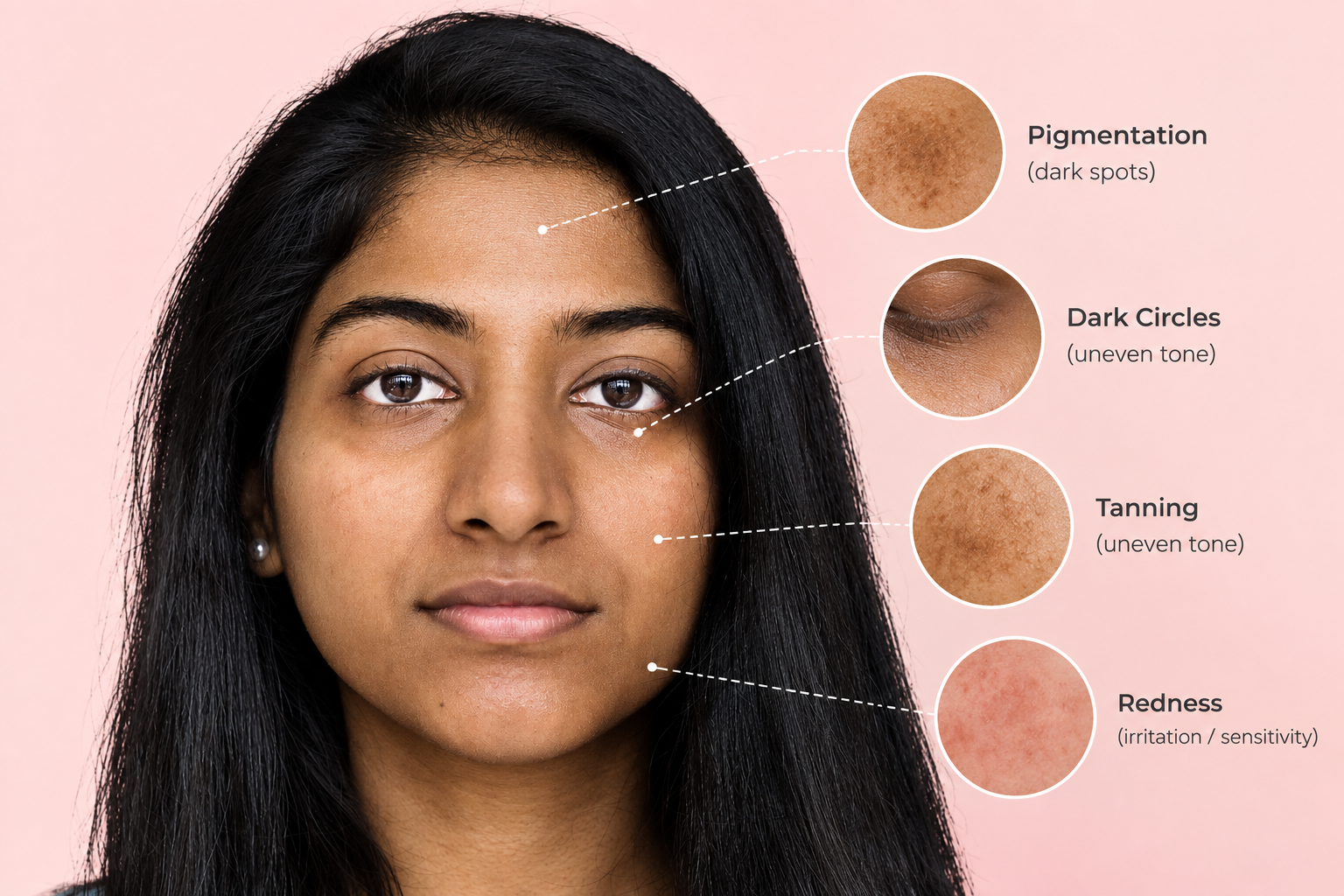
A clear, radiant complexion is something many people desire, but uneven skin tone can make the skin appear dull, tired, or less healthy. Uneven skin tone may appear as dark spots, pigmentation, tanning, redness, or areas of skin that look darker or lighter than the surrounding complexion.
The good news is that with the right skincare routine and professional treatments, it is possible to improve the appearance of uneven skin tone and achieve smoother, brighter-looking skin.
What Causes Uneven Skin Tone?
Uneven skin tone can develop due to several factors. Understanding the underlying cause is important before choosing a treatment.
Sun Exposure
Excessive exposure to UV rays can stimulate melanin production, leading to tanning, pigmentation, dark spots, and an uneven complexion. Regular sun protection is therefore one of the most important steps in maintaining an even skin tone.
Acne and Acne Marks
Acne can leave behind post-inflammatory hyperpigmentation, especially when pimples are picked or squeezed. These marks may take weeks or months to fade and can contribute to an uneven complexion.
Hormonal Changes
Hormonal fluctuations can trigger pigmentation, including melasma. This type of pigmentation commonly appears on areas such as the cheeks, forehead, nose, and upper lip.
Skin Ageing
As the skin ages, sun damage and slower cell turnover can contribute to pigmentation, dullness, and changes in skin texture, making the complexion appear less even.
Improper Skincare
Using harsh products, over-exfoliating, or using skincare products that are not suitable for your skin type may cause irritation and inflammation, which can sometimes worsen pigmentation.
How Can You Improve Uneven Skin Tone?
Improving uneven skin tone usually requires a combination of consistent skincare, sun protection, and treatments selected according to your skin concerns.
1. Use Sunscreen Every Day
Sunscreen should be an essential part of your daily skincare routine. Choose a broad-spectrum sunscreen and apply it generously to exposed areas of the skin. Reapplication is particularly important when spending extended periods outdoors.
Sun protection not only helps prevent tanning but can also help reduce the chances of existing pigmentation becoming darker.
2. Follow a Consistent Skincare Routine
A simple and consistent routine can support healthier-looking skin. Depending on your skin type and concerns, a dermatologist may recommend ingredients such as vitamin C, niacinamide, retinoids, or other pigmentation-targeted products.
However, active ingredients should be introduced carefully, as excessive use can irritate the skin.
3. Consider Professional Skin Treatments
When pigmentation or uneven skin tone persists despite a good skincare routine, professional treatments may help improve the appearance of the skin.
At Fab Aesthetic Clinic, treatments may be recommended based on your individual skin type, pigmentation, sensitivity, and overall skin condition.
Chemical Peels
Chemical peels use carefully selected exfoliating solutions to remove damaged surface skin cells and encourage skin renewal. Depending on the type of peel, they may help improve the appearance of pigmentation, tanning, dullness, and uneven skin tone.
Laser Treatments
Certain laser-based treatments can target pigmentation and sun damage while supporting a more even-looking complexion. The appropriate laser and treatment settings depend on the individual's skin type and pigmentation.
HydraFacial
HydraFacial is a multi-step facial treatment that combines cleansing, exfoliation, extraction, and hydration. It can help remove surface impurities and leave the skin looking fresher, smoother, and more radiant.
Microneedling and Other Skin Rejuvenation Treatments
Microneedling and other skin rejuvenation procedures may be considered when uneven skin tone is accompanied by concerns such as uneven texture, enlarged pores, or acne marks. Treatment selection should always be based on an individual skin assessment.
Can You Get Brighter Skin Without Damaging Your Skin?
Yes. The goal of professional skin treatments should not be to drastically change your natural skin colour. Instead, the focus should be on improving the appearance of pigmentation, sun damage, dullness, and uneven tone while supporting healthy-looking skin.
Avoid unregulated skin-lightening products or aggressive DIY treatments. Irritating the skin can sometimes make pigmentation more noticeable rather than improving it.
How Long Does It Take to Improve Uneven Skin Tone?
The timeline varies from person to person. It depends on the cause and severity of pigmentation, your skin type, the treatment selected, and how consistently you follow your skincare and sun-protection routine.
Some people may notice an improvement in skin brightness after a few treatments, while pigmentation concerns may require a longer treatment plan and maintenance.
Why Choose Fab Aesthetic Clinic for Uneven Skin Tone Treatment?
At Fab Aesthetic Clinic, Andheri West, Mumbai, skin treatments are selected according to individual skin concerns rather than using a one-treatment-fits-all approach.
A skin consultation can help determine whether your uneven skin tone is related to pigmentation, tanning, acne marks, sun damage, or another underlying concern. Based on the assessment, your dermatologist can recommend an appropriate combination of skincare and professional treatments.
Conclusion
Uneven skin tone can be caused by sun exposure, pigmentation, acne marks, hormonal changes, ageing, and other factors. While daily sunscreen and a consistent skincare routine form the foundation of skin health, professional treatments such as chemical peels, laser treatments, HydraFacial, and other skin-rejuvenation procedures may help improve the appearance of persistent concerns.
If you are looking for uneven skin tone treatment in Andheri, Mumbai, consult a qualified dermatologist to understand the cause of your pigmentation and choose a treatment plan suitable for your skin.